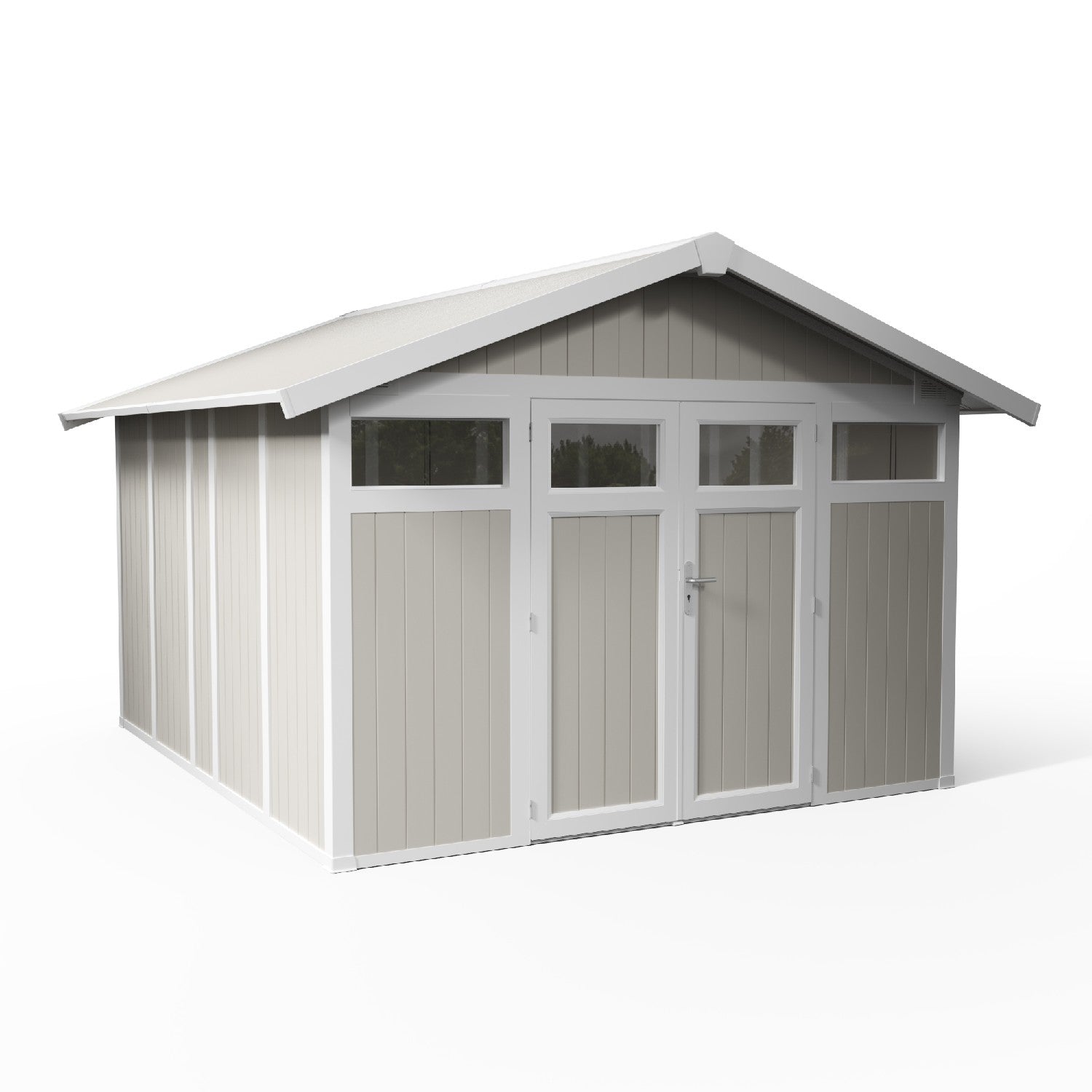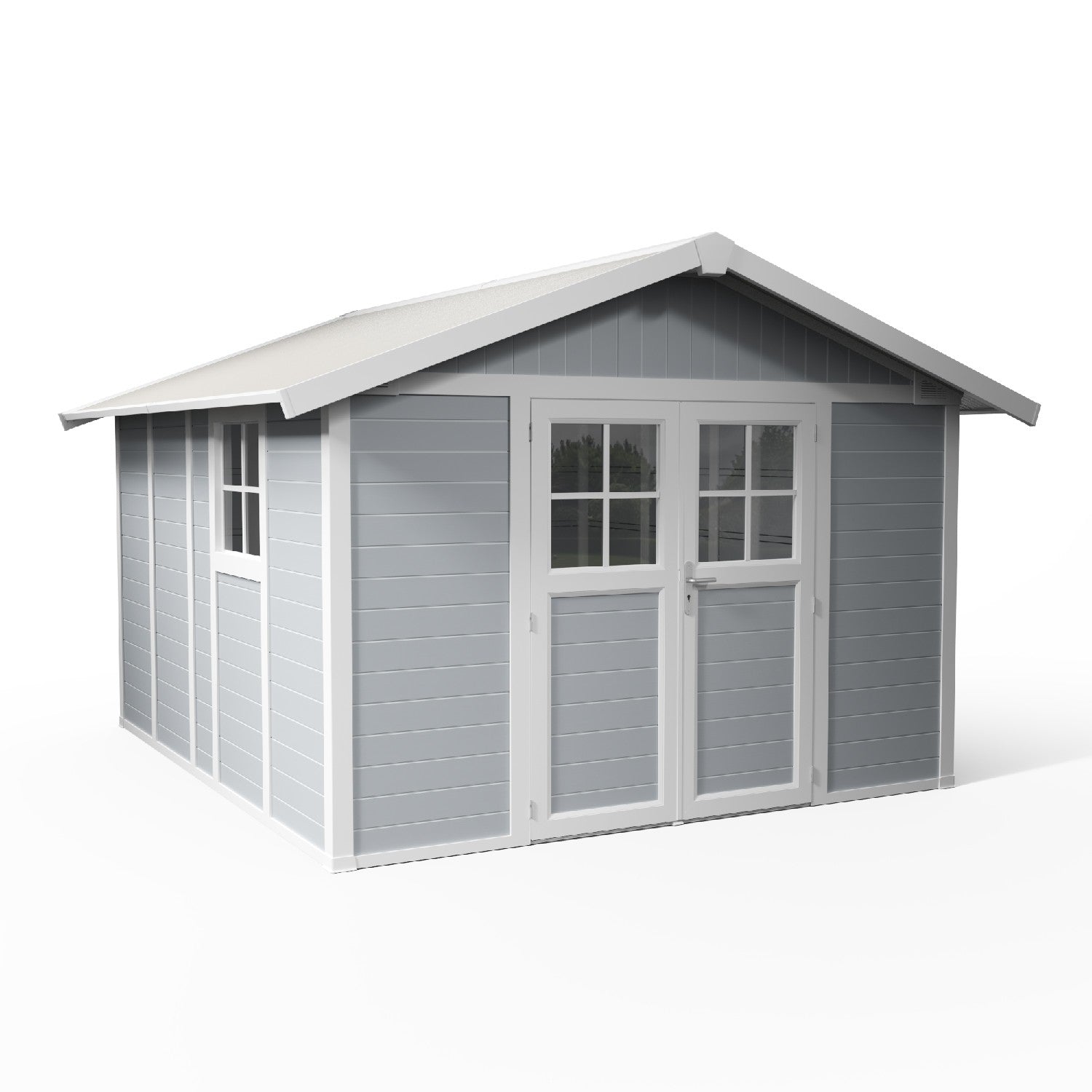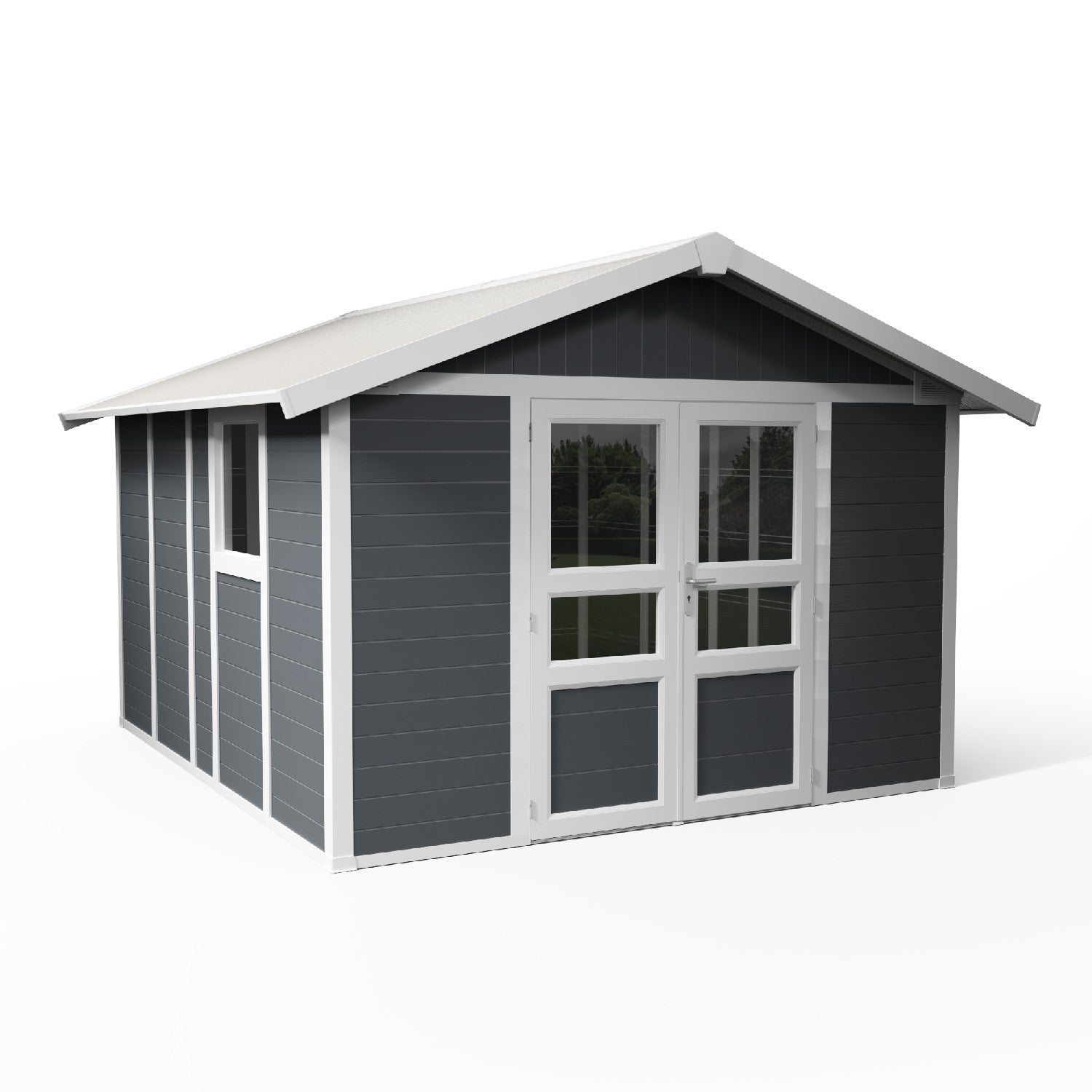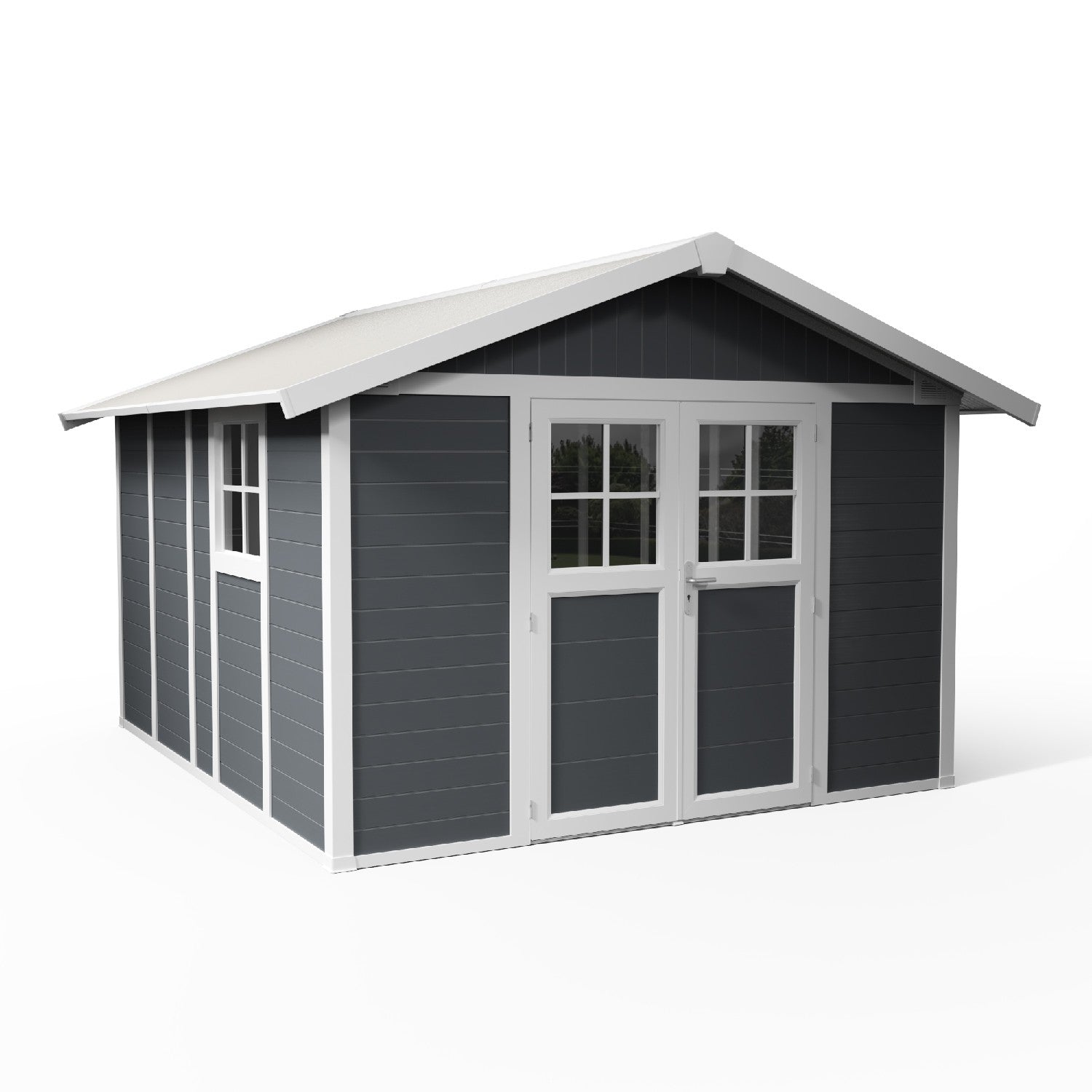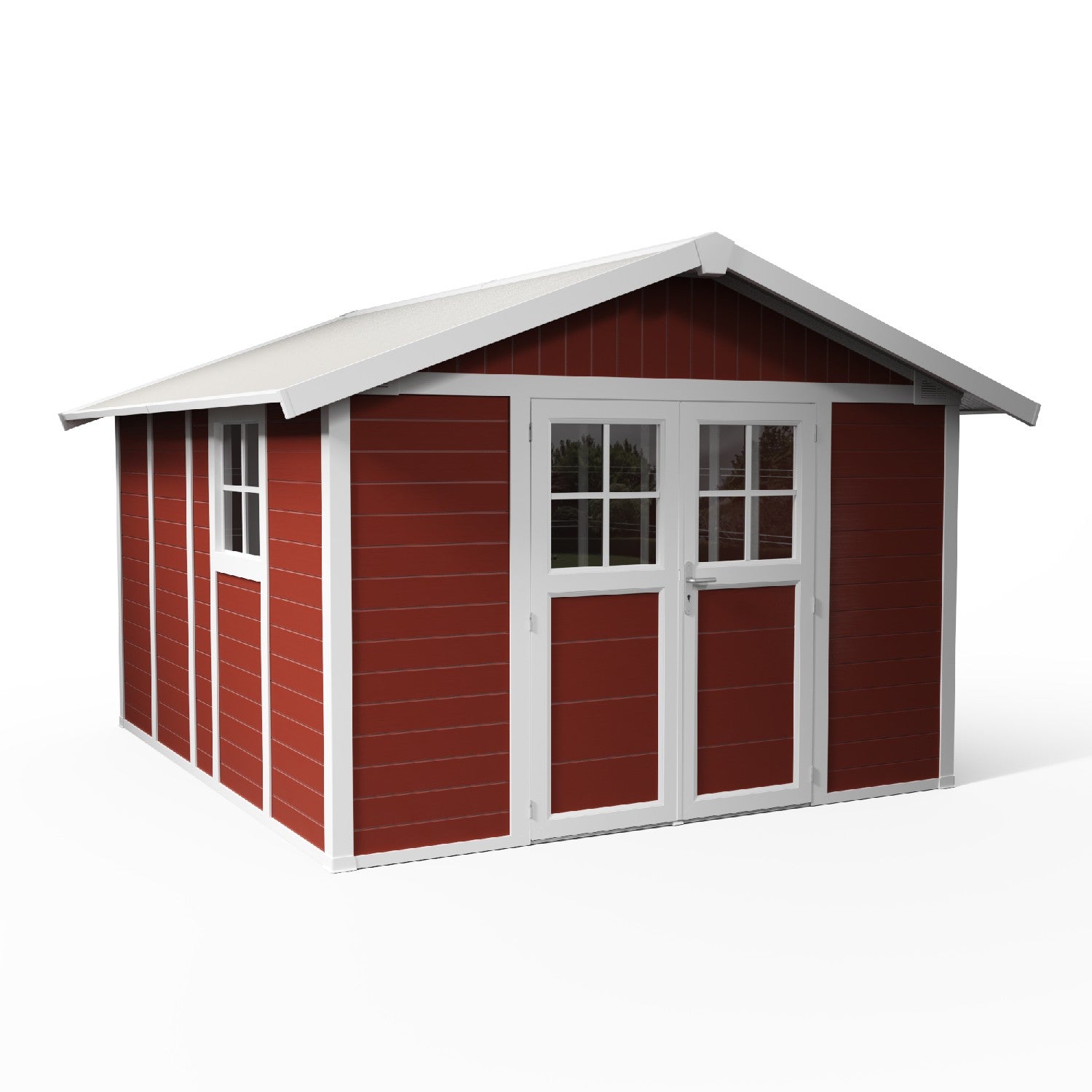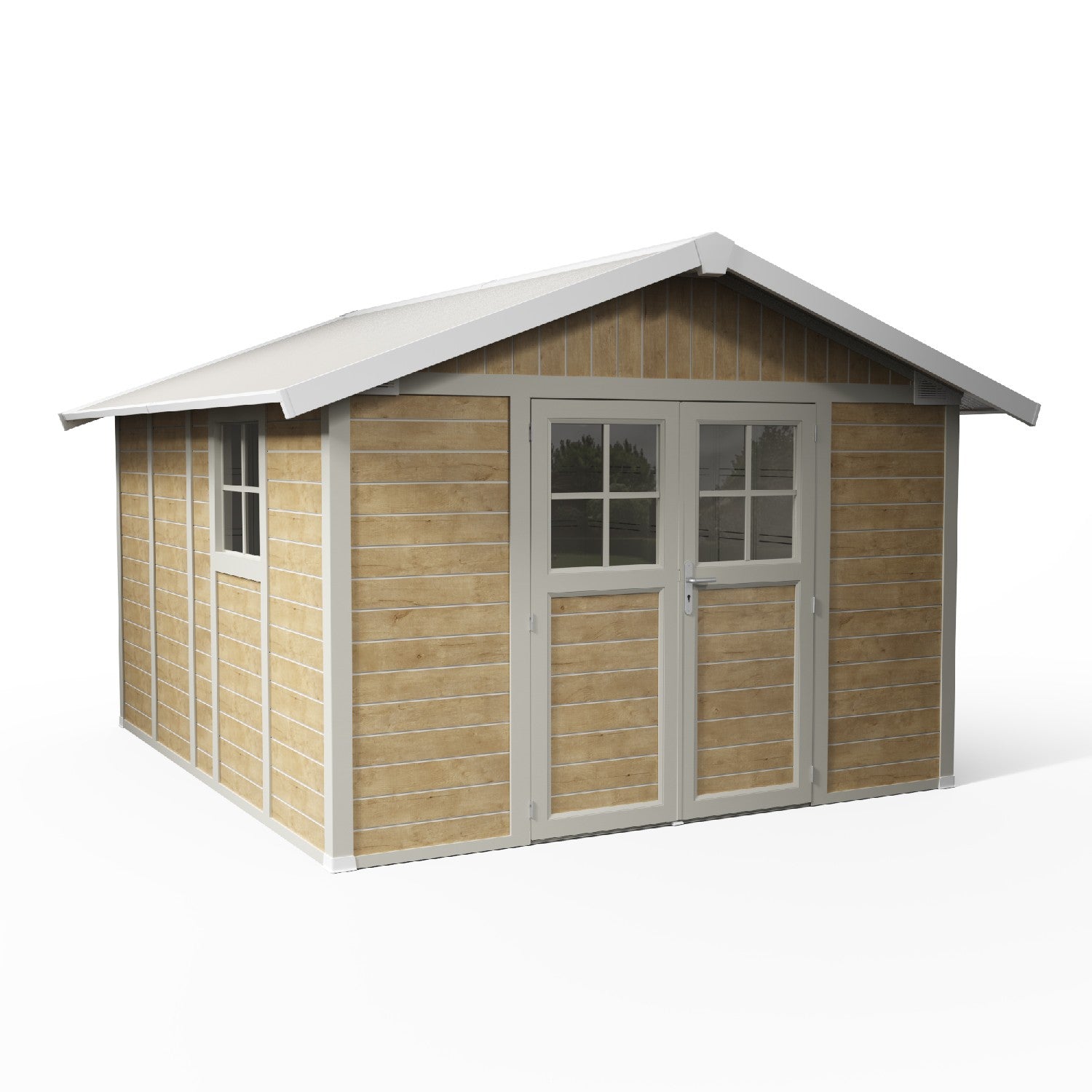


Securing a garden shed is essential

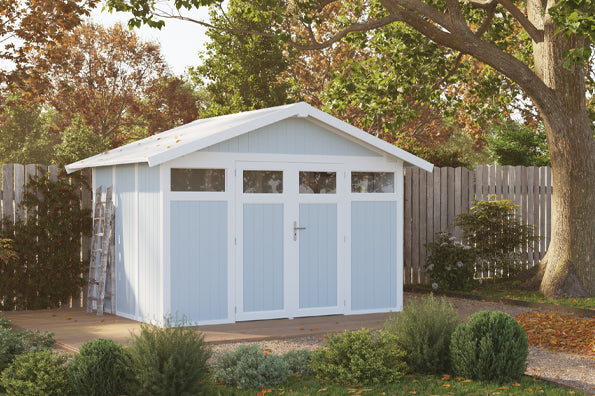
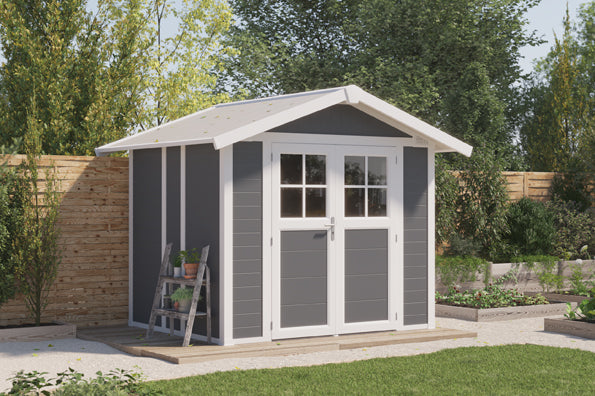
Garden sheds are often the ideal alternative for creating additional usable space: a living space or just a storage room in the garden.
However, installing it can be more or less complex, depending on its size in particular, and requires compliance with a few rules to ensure its longevity.
Anchoring a garden shed: the basics of safety
In case of inclement weather (storms, high winds, heavy rain, etc.), your garden shed should not be blown away. It must be as sturdy as possible in order to remain safe.
There are two types ofanchoring for your garden shed.
Loose soil anchoring
This type of anchoring is not recommended, and for good reason: it is not advisableinstall a garden shed on the ground to avoid issues such as landslides or moisture, and in high winds, the anchoring will not hold.
However, if you wish to install this type of anchor, you will need to use helical discs that are screwed in place.
Different sizes are available depending on their resistance to being pulled out. You will also need to install ground spikes that can be driven into the ground and cannot normally be pulled out. In addition, post fixings (inside the shelter) can be added to further improve the stability of the garden shelter.

Hard ground anchoring
This type of anchoring is often recommended because it requires a concrete slab or plate, which initially insulates your garden shed.
First, you need to secure your garden shed by installing brackets at the bottom of it using screws and bolts. These brackets will be fixed to the ground and to the first, or even the first two, logs of your structure.
Their choice is important in order to maximize wind resistance; it is advisable to avoid brackets that are too short.
To reinforce the storage or living shelter, plates can be attached to the inside to support the posts.